
Strategy and Consulting
We help management decide what to change before money is spent on software.
Most automation projects that disappoint were decided too early: the system was chosen before anyone wrote down how the work runs and what has to change. That is why consulting comes first. We look at the process, the numbers and the people who do the work, and give management a plan it can approve or reject with the facts in front of it.
What we deliver
Process diagnostics
How the work runs today, where it loses time and money, and what the target process looks like.
Strategy, supply chain and customer management
Strategic planning, supply chain optimization and customer relationship processes.
Finance and performance management
Budgeting, management reporting and consolidation.
IT strategy
Choice of systems, implementation scope, and a roadmap with stages and a budget range.
How the work goes
- Scope. We agree with management which processes, departments and legal entities are examined and which decision the work must support.
- Interviews and data. We talk to the people who do the work, follow documents through the process and compare what is said with what the systems record.
- Current state. The process is described as it runs today, with its delays, repeated entries, manual checks and the reports nobody trusts.
- Target state. We describe how the process should run, who is responsible for each step and which figures show that it works.
- Roadmap. Changes are ordered into stages. Each stage has a result, an owner on the client side, an estimate and the risks we see.
What you receive
- A description of the current processes with the problems found and their cost where it can be measured.
- A target process model and the organizational changes it needs.
- Requirements for the systems that will support the process, written so that suppliers can be compared on them.
- A roadmap with stages, a budget range and acceptance criteria for each stage.
When to talk to us
- Management reports arrive late or differ from department to department.
- The company has grown or changed its structure and the old way of working no longer holds.
- A large system purchase is planned and you want requirements before proposals.
- A previous implementation did not give the expected result and you need to know why.
Questions clients ask
Do we have to buy software from you afterwards?
No. The result of the consulting work is a document that belongs to you. You can use it to run a tender, to do the work with your own team or to continue with us.
How much time will our people spend?
An interview usually takes one to two hours, and key users review the descriptions we write. We plan this time with their managers before the work starts, so that daily operations are not disturbed.
Can you work with a process that is not automated at all?
Yes. A process that runs on paper and spreadsheets is examined the same way. In many cases the first improvements need no software.
Result
A written plan that management can approve: what changes, in what order, at what cost, and how the result will be accepted.
Insights
All insights
ERP user training and pilot operation: what to plan
Instructions by role, training on the company's own data, the cost of an inconvenient screen and a pilot with written dates and exit criteria.
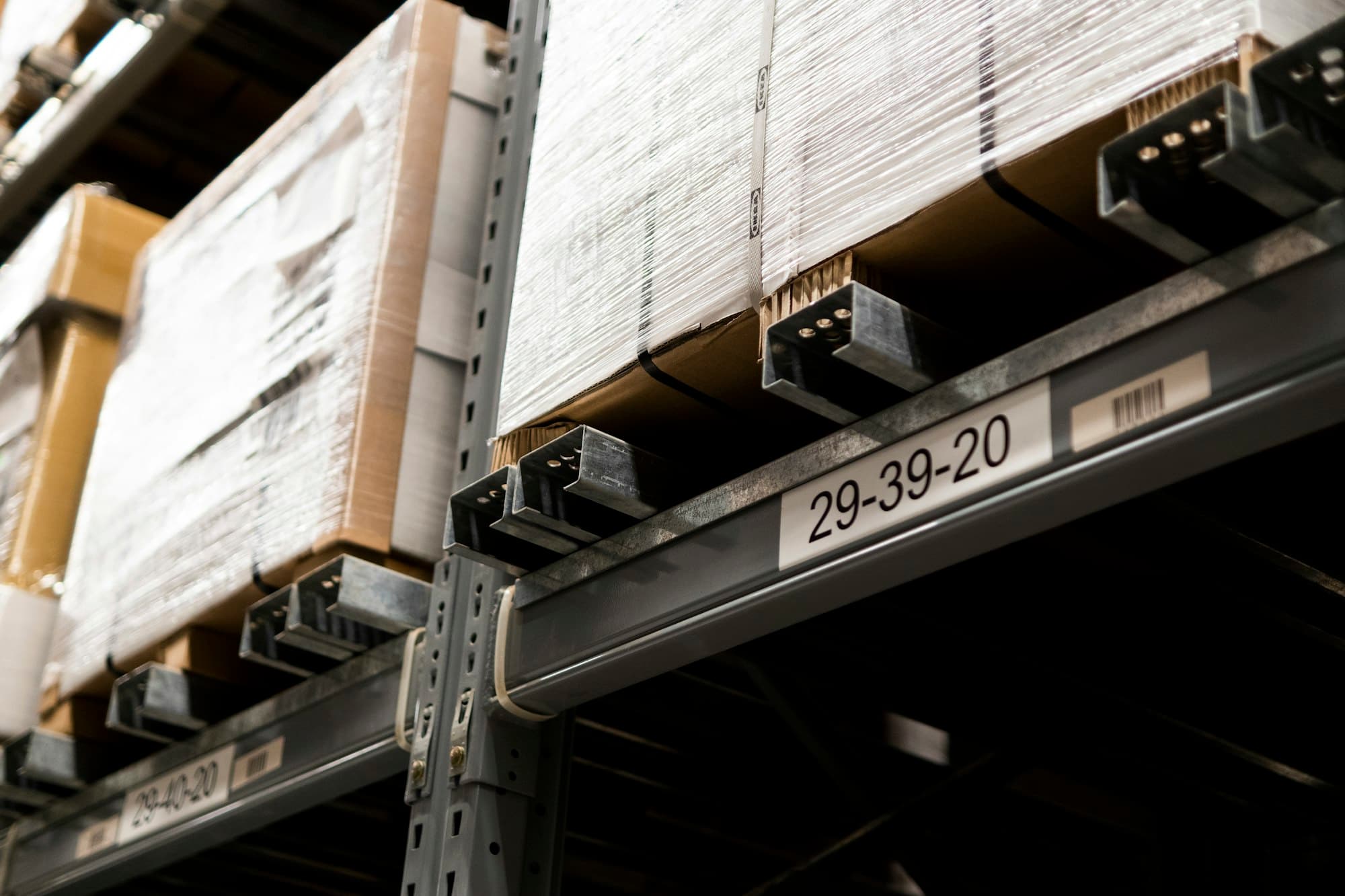
Master data: one item list that planning, the warehouse and accounting can trust
Why duplicate items distort stock, cost and reports at once, who decides what a duplicate is, and why the entry of new items is controlled first.

When an ERP project becomes an expensive accounting program
How an ERP project is reduced to statutory accounting, which signs show it early, and how to plan phases so that it does not happen.
Let's discuss your project
Tell us what you want to change. We will come back with a plan and a first estimate.
Contact us