1C:PLM
Engineering data in one system: product structures, design and process preparation of production, labour and material standards and the electronic archive.
1C:PLM is the 1C program for managing the life cycle of a product, from the idea and the design through the preparation of production to the withdrawal of the product; its name in Russian is "1С:PLM Управление жизненным циклом". Designers, process engineers and production work with one description of the product instead of separate files and tables.
What it covers
- Product structures. Design, process, production and service structures of a product.
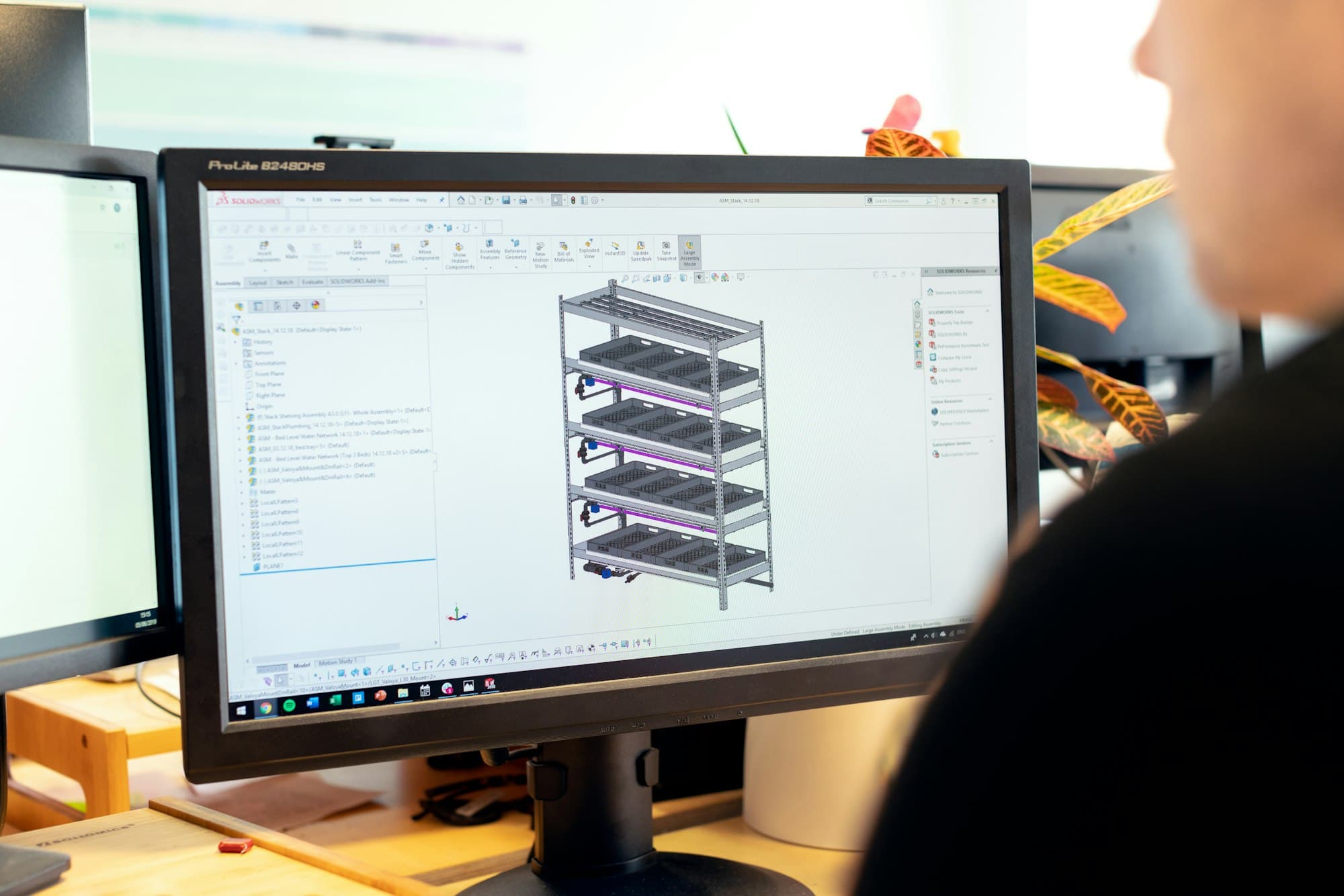
- Exchange with design systems. The composition of a product is synchronized with computer-aided design systems.
- Process preparation. Single, group and standard processes and routes.
- Standards. Labour and material standards.
- Projects and work packages. Planning of design and preparation work.
- Requirements. Management of the requirements for a product.
- Electronic archive. Storage of design and process documents.
- Reference data and reports. A built-in classifier of engineering reference data, analytics and reports.
Who it suits
Machine-building and instrument-making plants and design departments whose products consist of many parts and change often.
Delivery and licences
1C:PLM is supplied as a separate program and as a module for 1C:ERP. The structures and standards prepared in it are the reference data for planning and production in 1C:ERP and 1C:MES. Workplaces and the server are licensed separately: see the page about the 1C:Enterprise 8 platform and licences.
What we do
- Survey of the design and process preparation of production.
- Setup of the classifiers, the product structures and the archive, and transfer of existing specifications.
- Exchange with the design systems of the plant and with 1C:ERP.
- Training of designers and process engineers, and support after go-live.
Insights
All insights
ERP user training and pilot operation: what to plan
Instructions by role, training on the company's own data, the cost of an inconvenient screen and a pilot with written dates and exit criteria.

What the client signs when an ERP system is accepted
A signed check list shows that functions work. Tests on the future data volume and number of users show whether they will stay fast.

Master data: one item list that planning, the warehouse and accounting can trust
Why duplicate items distort stock, cost and reports at once, who decides what a duplicate is, and why the entry of new items is controlled first.
Let's discuss your project
Tell us what you want to change. We will come back with a plan and a first estimate.
Contact us