1C:Retail
A store or a chain of stores in one program: the workplace of a cashier, prices and discounts, stock, purchasing and the analysis of sales.
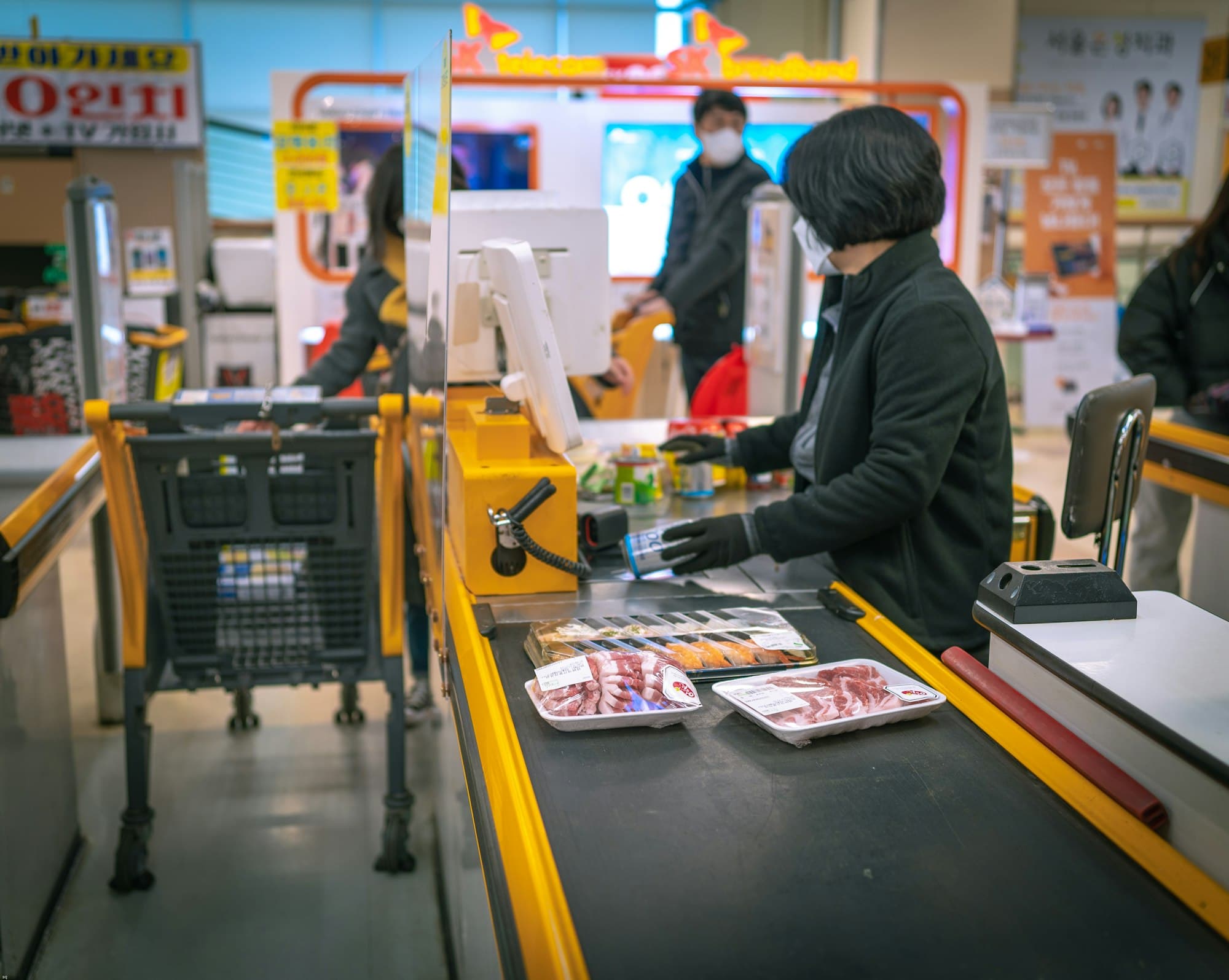
1C:Retail is the 1C program for retail stores, from one shop to a distributed chain; its name in Russian is "1С:Розница". It covers the work of a store from the purchase of goods to the receipt of the customer and shows sales and stock for every store.
What it covers
- Structure of the chain. Any number of stores, each with its warehouses, sales floors and cash desks; several organizations in one database.
- Assortment and prices. The list of goods, price setting and discounts.
- Purchasing and stock. Orders to suppliers, receiving, movements and inventory counts.
- Retail sales. The workplace of a cashier, sales from the basket and by an earlier order, pickup in a store and delivery, returns.
- Wholesale and online sales. Sales to organizations and orders from an online store.
- Customers. The register of customers with their contracts, groups of customers by given rules and the count of visitors of a store.
- Settlements. Settlements with customers and suppliers.
- Store equipment. Cash registers, payment terminals, barcode scanners, scales, label printers and customer displays.
- Staff of a store. Personnel records and pay of the staff of a store.
- Analysis. Reports on sales by store, product, group of products and seller.
Who it suits
Single stores and retail chains in food and non-food trade, and distributors that have their own stores.
Delivery and licences
1C:Retail works on its own or as the store system beside a central program: it has a two-way exchange with 1C:Trade Management, 1C:Small Business Management and 1C:Accounting. Workplaces and the server are licensed separately: see the page about the 1C:Enterprise 8 platform and licences.
What we do
- Survey of the stores: assortment, pricing rules, cash desks and equipment.
- Setup of the stores, the prices and the workplace of a cashier, and connection of the store equipment.
- Adaptation to the legislation of Azerbaijan: cash registers, receipts and electronic invoices. The standard program is supplied with the rules of the home market of the vendor, so this work is a part of every project.
- Exchange with the central program, training of cashiers and store managers, support after go-live.
Insights
All insights
ERP user training and pilot operation: what to plan
Instructions by role, training on the company's own data, the cost of an inconvenient screen and a pilot with written dates and exit criteria.

What the client signs when an ERP system is accepted
A signed check list shows that functions work. Tests on the future data volume and number of users show whether they will stay fast.
Master data: one item list that planning, the warehouse and accounting can trust
Why duplicate items distort stock, cost and reports at once, who decides what a duplicate is, and why the entry of new items is controlled first.
Let's discuss your project
Tell us what you want to change. We will come back with a plan and a first estimate.
Contact us